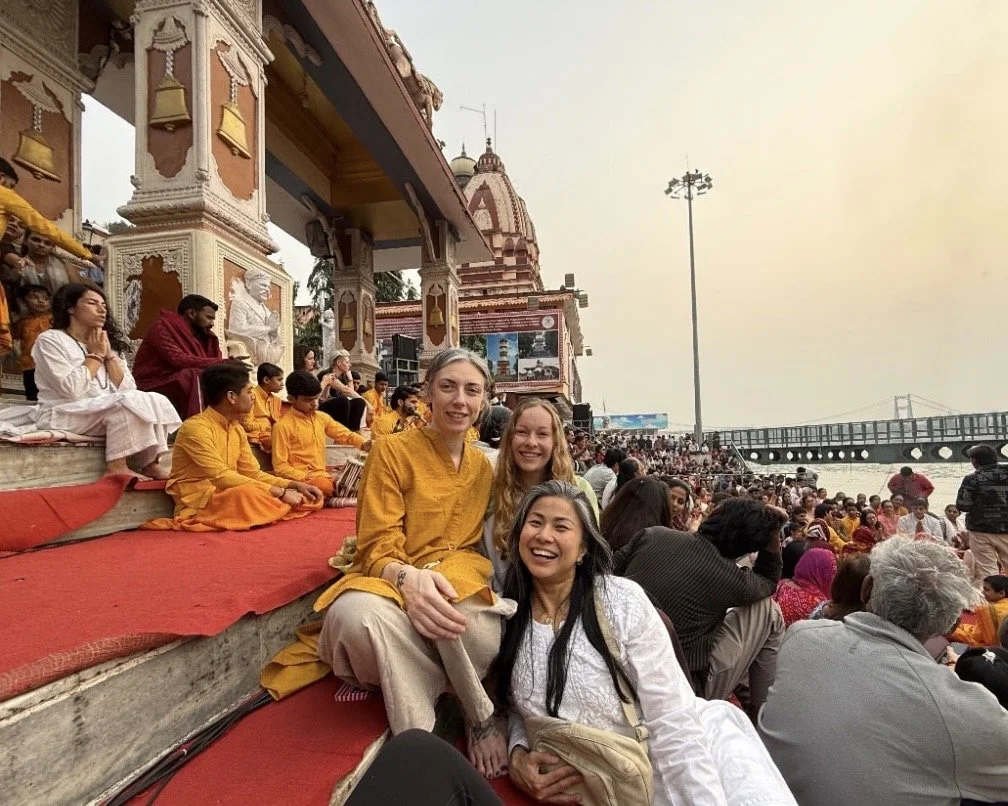
Finding My Way Home to the Ganges: Spring in Rishikesh
There are places that stay with you long after you leave them. Places that feel less like somewhere you have travelled to, and more like somewhere you have returned to. For me, Rishikesh is one of those places.
Nestled in the foothills of the Himalayas, where the mountains meet the sacred waters of the Ganges, Rishikesh has been a place of pilgrimage for yogis, sages, and spiritual seekers for centuries. Often called the birthplace of yoga, it is a place where spiritual practice is woven into the fabric of everyday life. Prayer, ritual, mantra, and meditation are not reserved for a special occasion. They are part of the rhythm of each day.
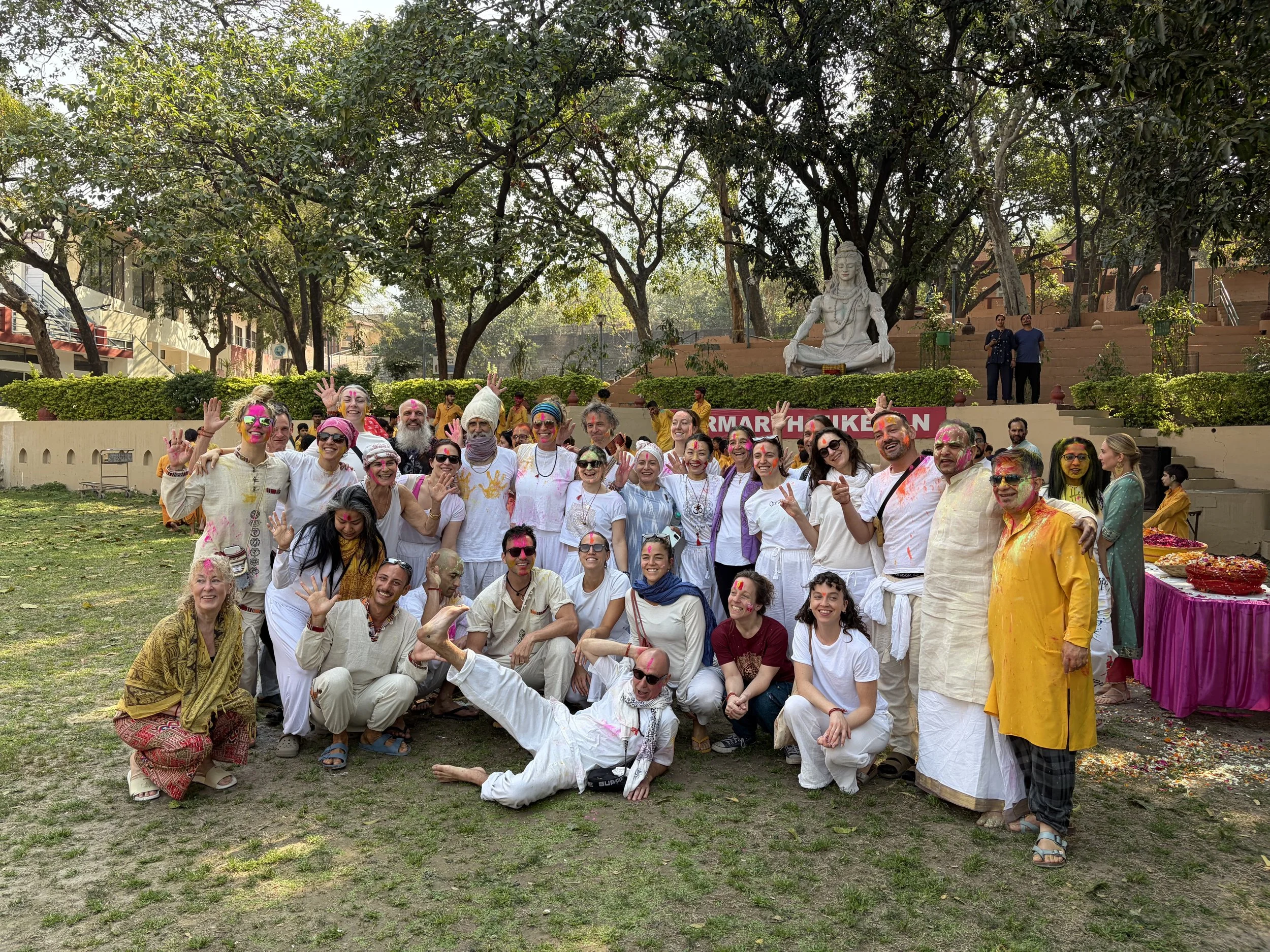
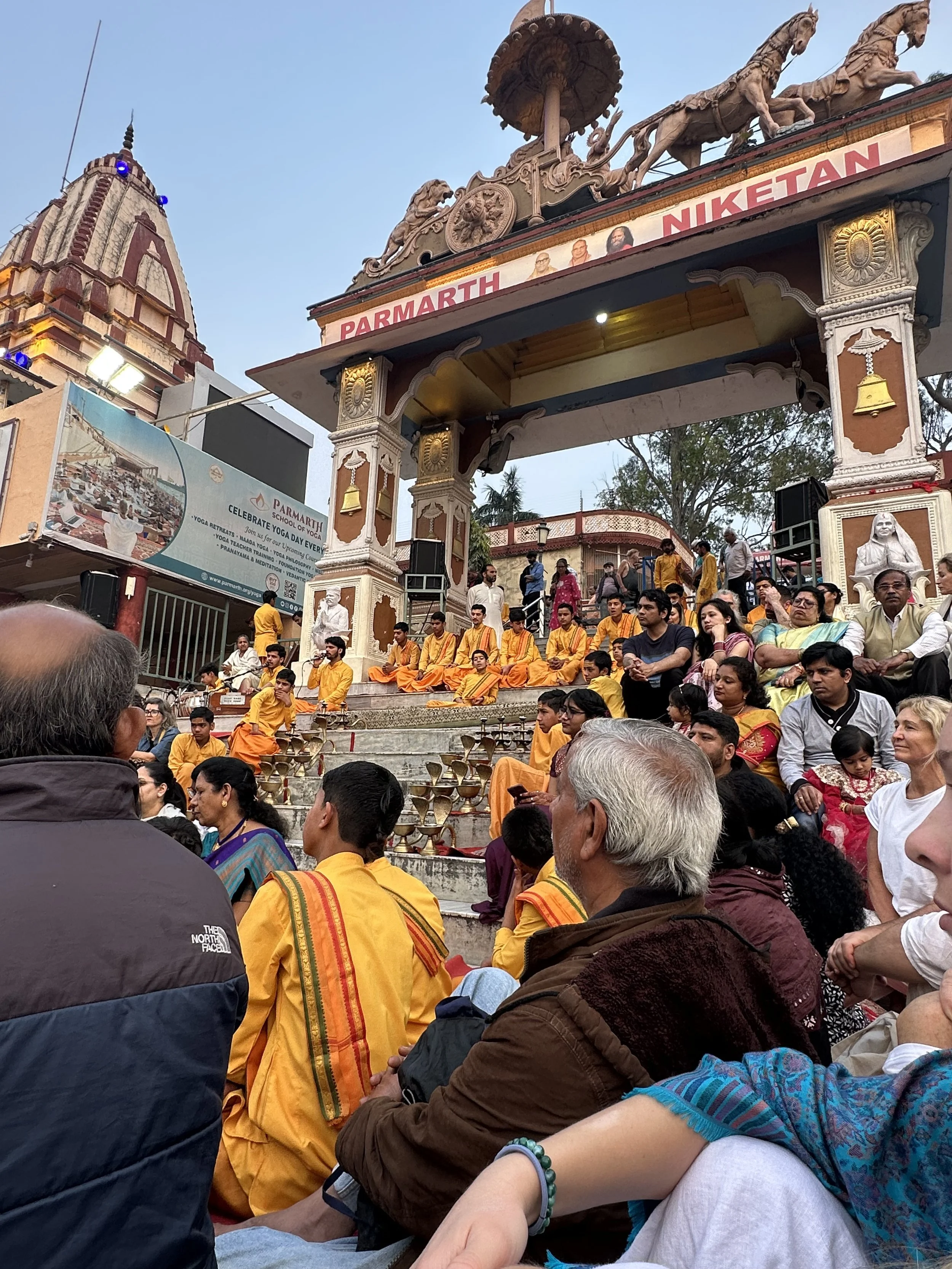
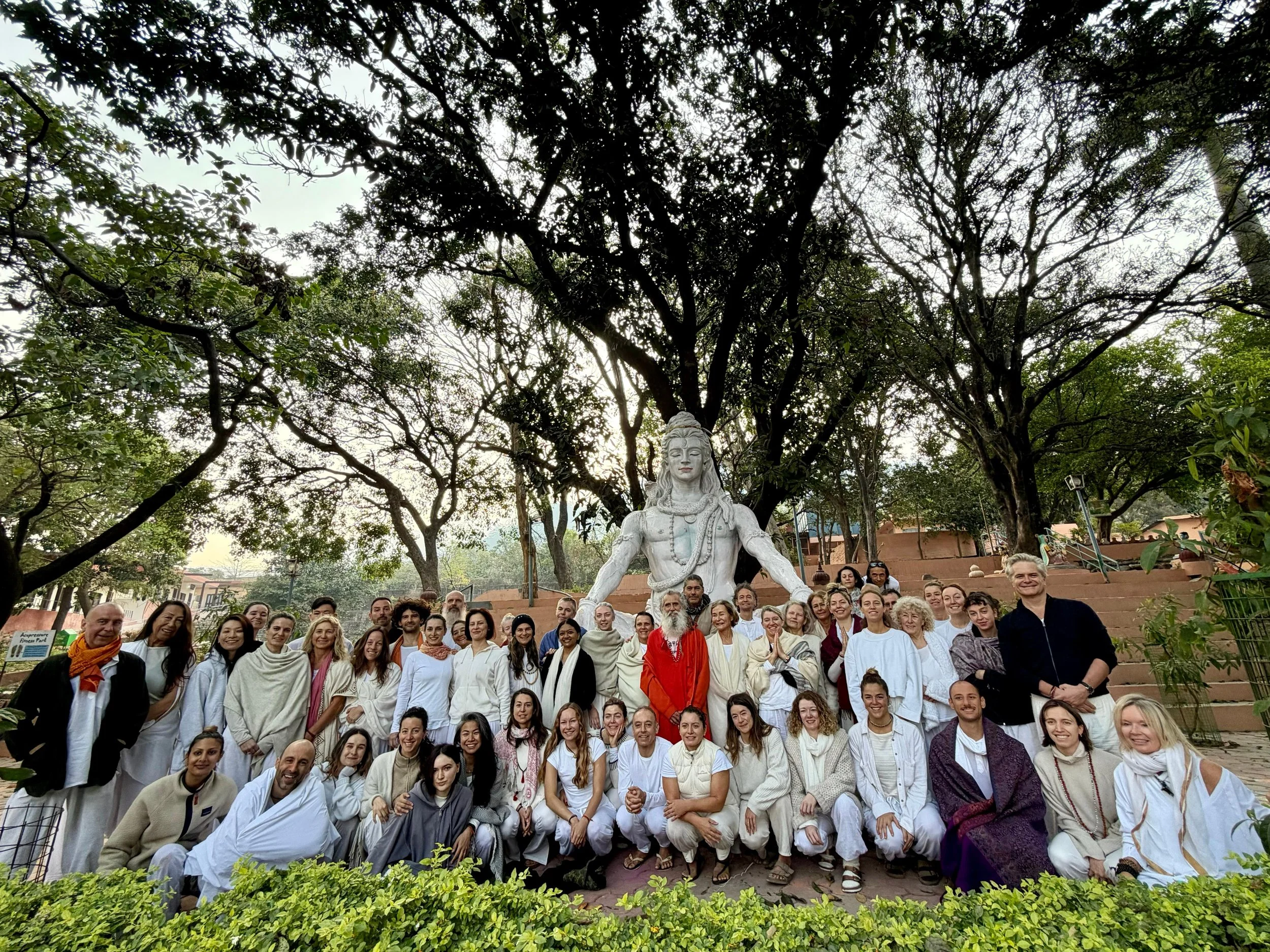
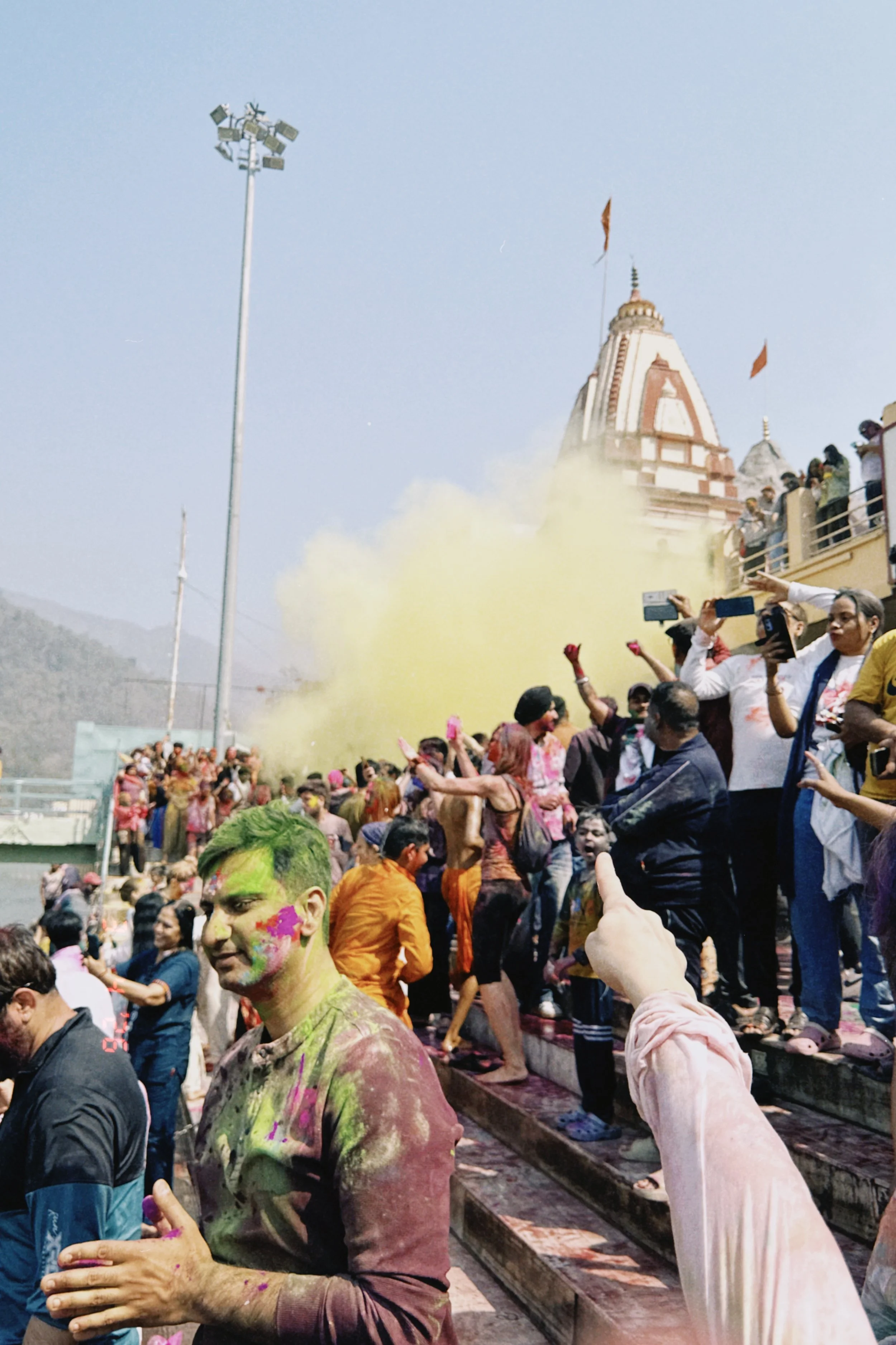
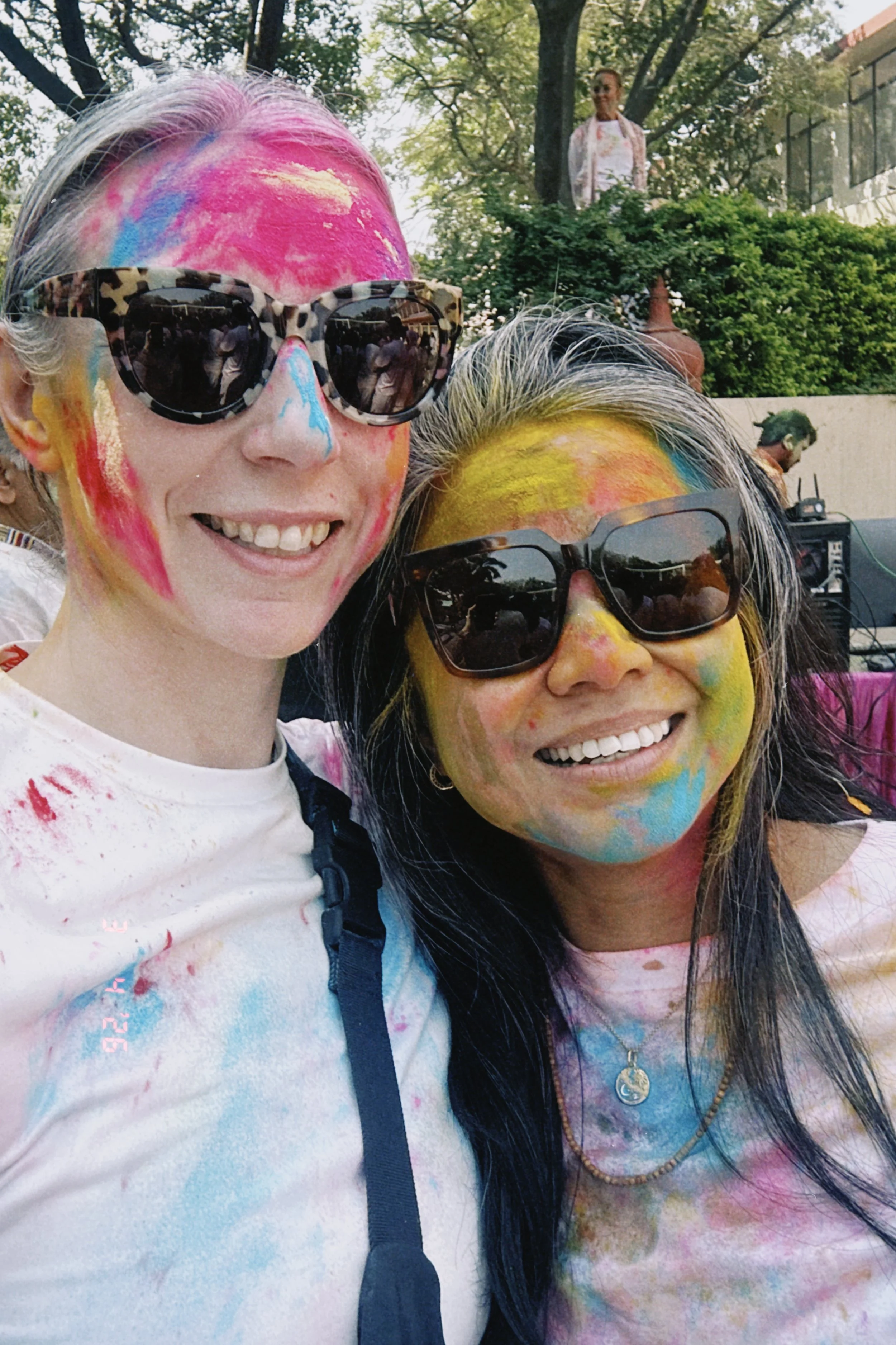
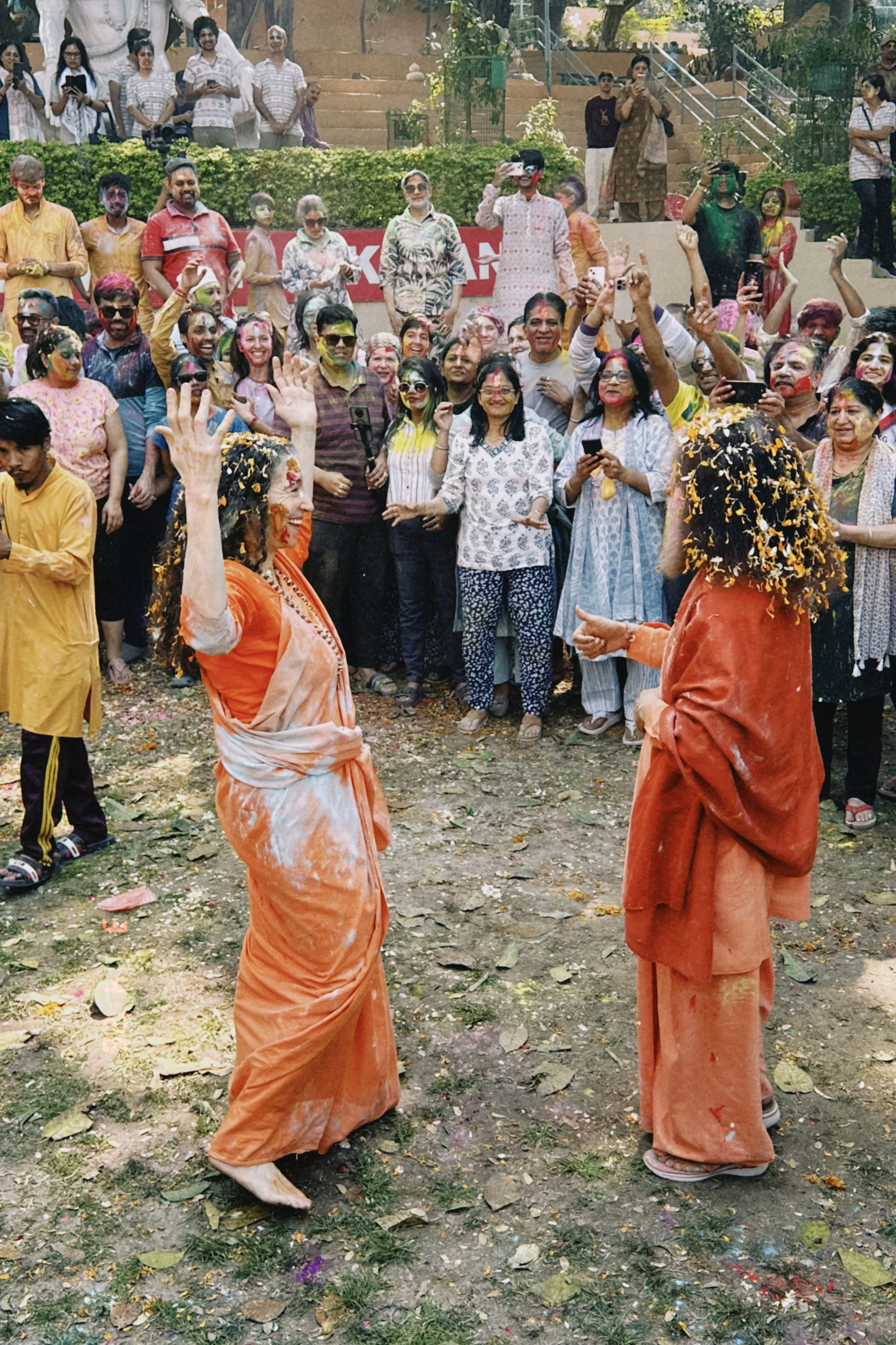
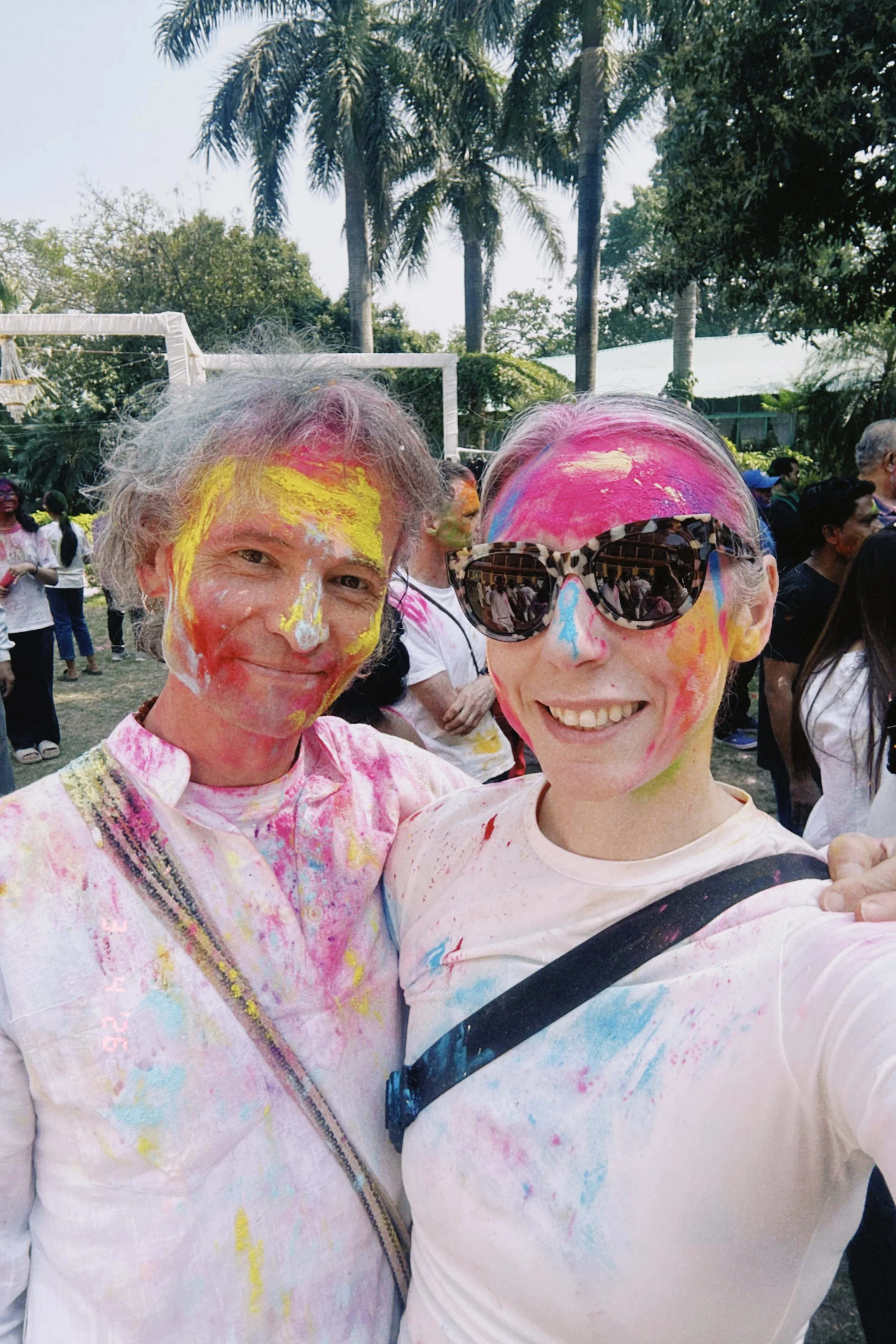
I spent time there this spring, returning to my home on the Ganges, Parmarth Niketan Ashram. As always, it was a time filled with beautiful moments, meaningful encounters, and reminders of why I continue to find myself drawn back to this sacred place.
But it was also a time of reflection, of letting go, and of reconnecting with something that can sometimes feel distant in the busyness of ordinary life.
A sacred morning in Ma Ganga
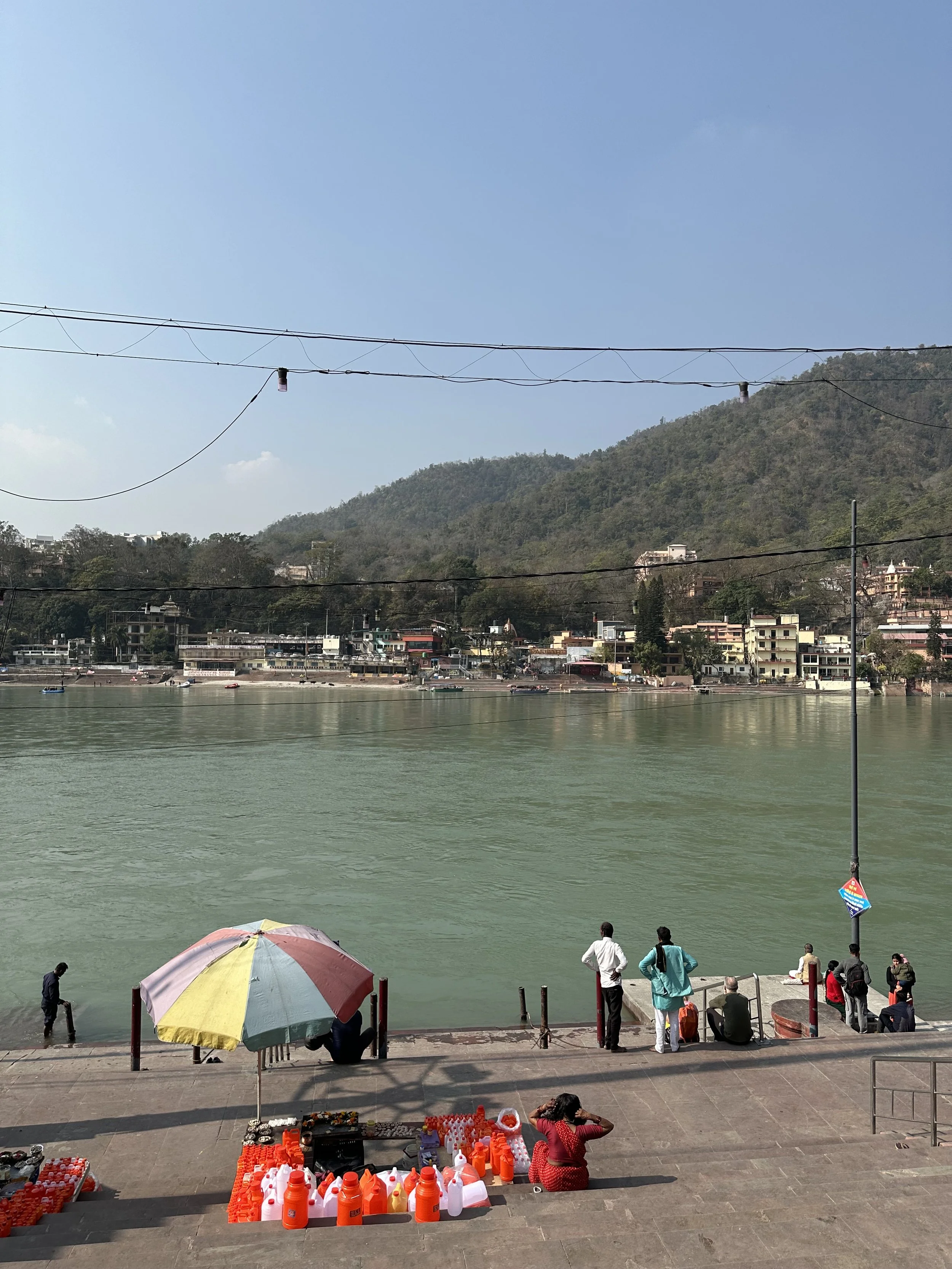
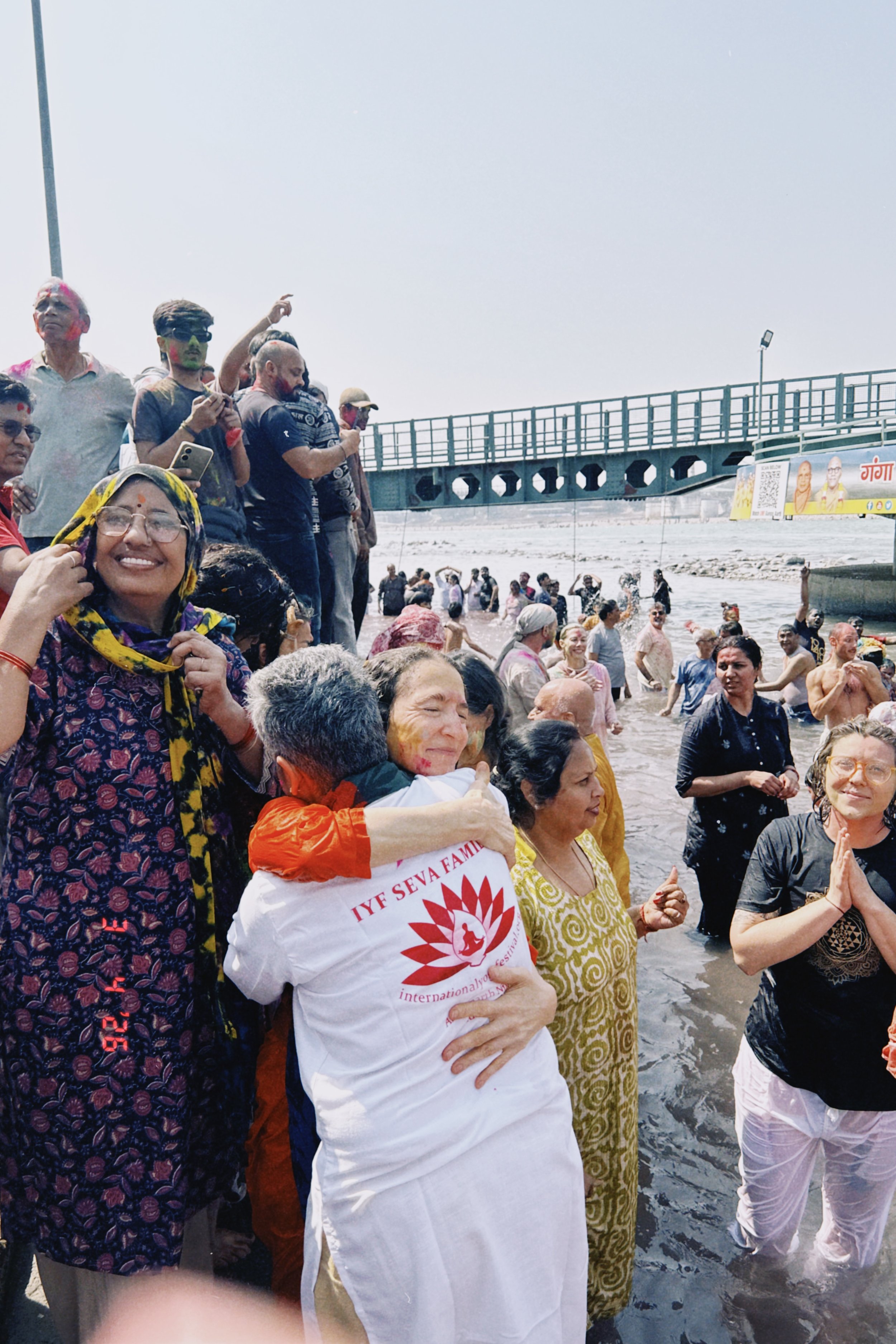
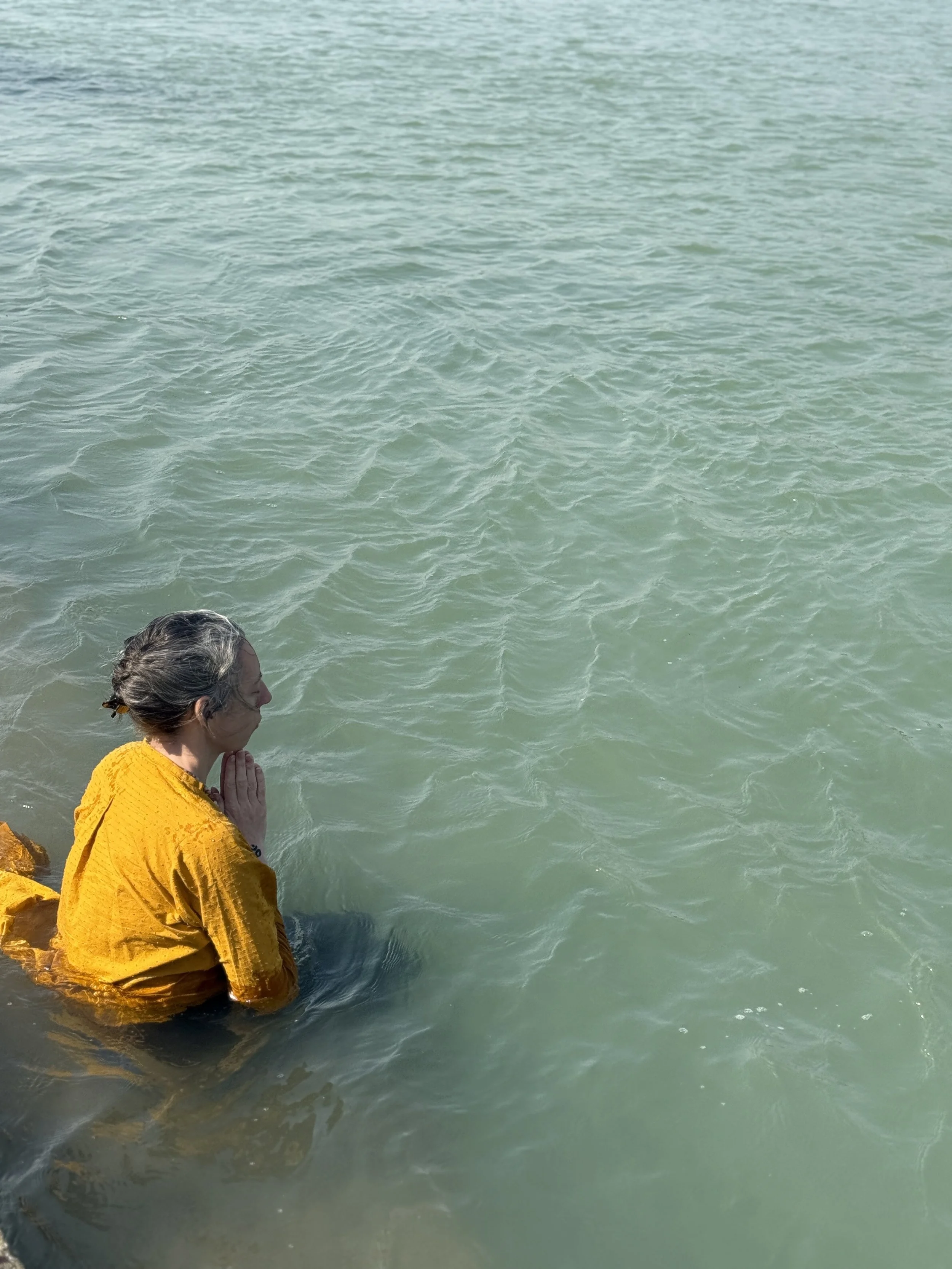
On the morning of 3 March, I stood in the waters of Ma Ganga on the day of the lunar eclipse.
I had recently discovered during a Vedic astrology reading that I was born under a full moon, which made the timing of this particular moment feel especially significant to me. In Vedic traditions, eclipses are often regarded as potent times for introspection, prayer, and spiritual practice. They invite us to pause, to look inward, and to consider what we might be ready to release.
For me, the morning became an opportunity to do just that.
The snan, a ritual bathing in the Ganges, is an ancient act of purification. But to stand in the river is to experience something that goes far beyond the symbolism of washing in water.
She is not simply a river. She is Ma Ganga, Mother Ganga, revered as a goddess and understood by millions as a living expression of the divine. Her waters have carried the prayers, hopes, grief, and devotion of generations of pilgrims, yogis, and spiritual seekers.
There is something profoundly humbling about stepping into that current, knowing that countless others have stood in the same waters before you, each bringing their own prayers and intentions.
That morning, I offered prayers for loved ones, both those who are still here and those who have passed. I offered up past traumas, worries, and trepidations, allowing myself to imagine them dissolving into the river's flow.
It was an act of surrender, but also of trust.
Surrender is an idea we encounter often in yoga and spiritual teachings, yet it can be difficult to practise in our everyday lives. We are conditioned to hold on, to find answers, to control outcomes, and to make sense of everything that happens to us.
But there are moments when we need to stop trying to carry everything ourselves.
Standing in Ma Ganga, I was reminded that letting go does not mean forgetting, denying, or pretending that something has not happened. It means allowing ourselves to loosen our grip. To acknowledge what we have been carrying, offer it up, and create space for something new.
It was a quiet, deeply personal ritual, and one I will never forget.
More than anything, it reminded me that yoga is not only what happens on the mat. It is also devotion, reverence, and our relationship with something greater than ourselves.
Beginning the day with sacred fire
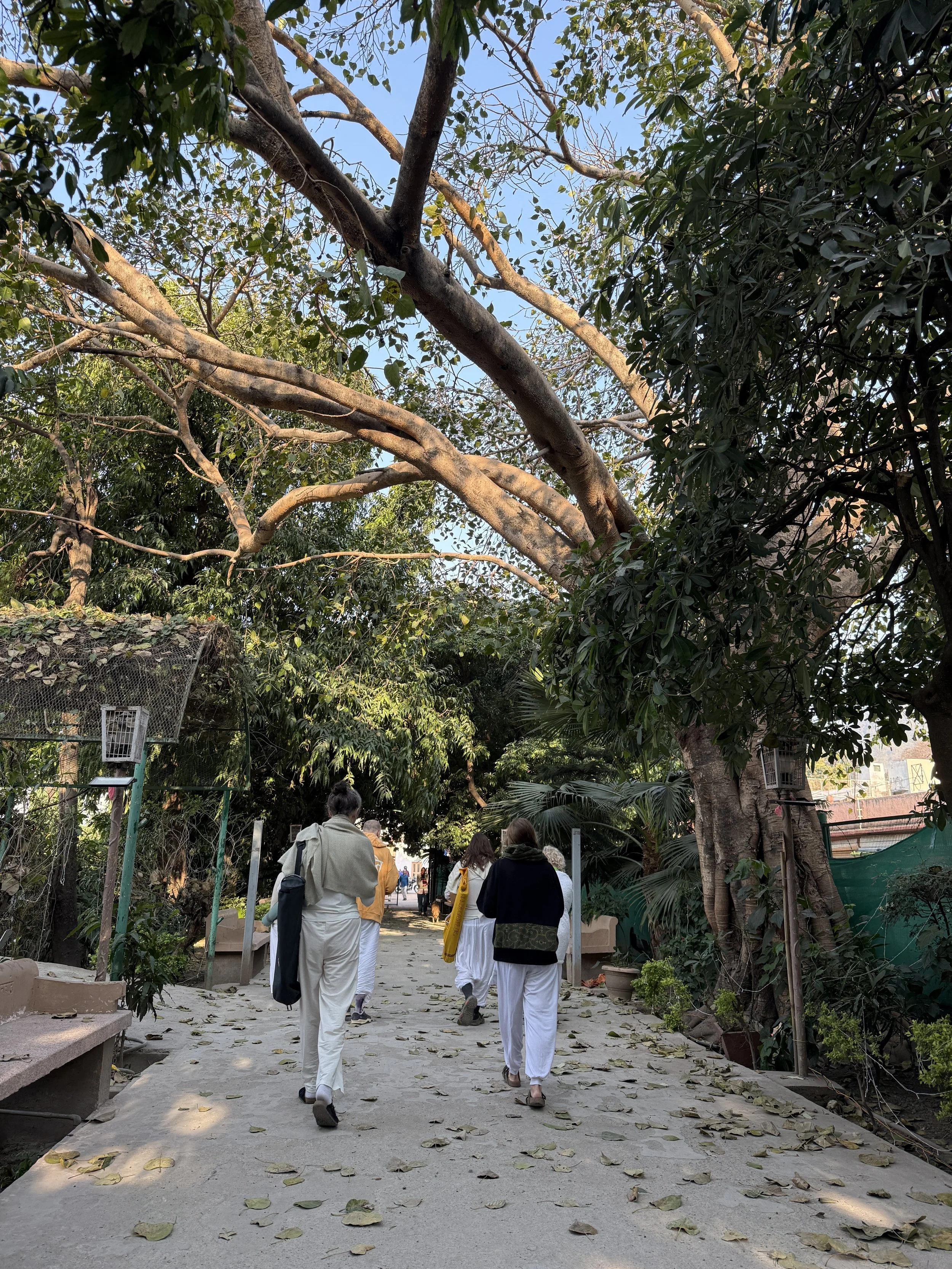
One of the things I love most about staying at Parmarth Niketan is the rhythm of ashram life.
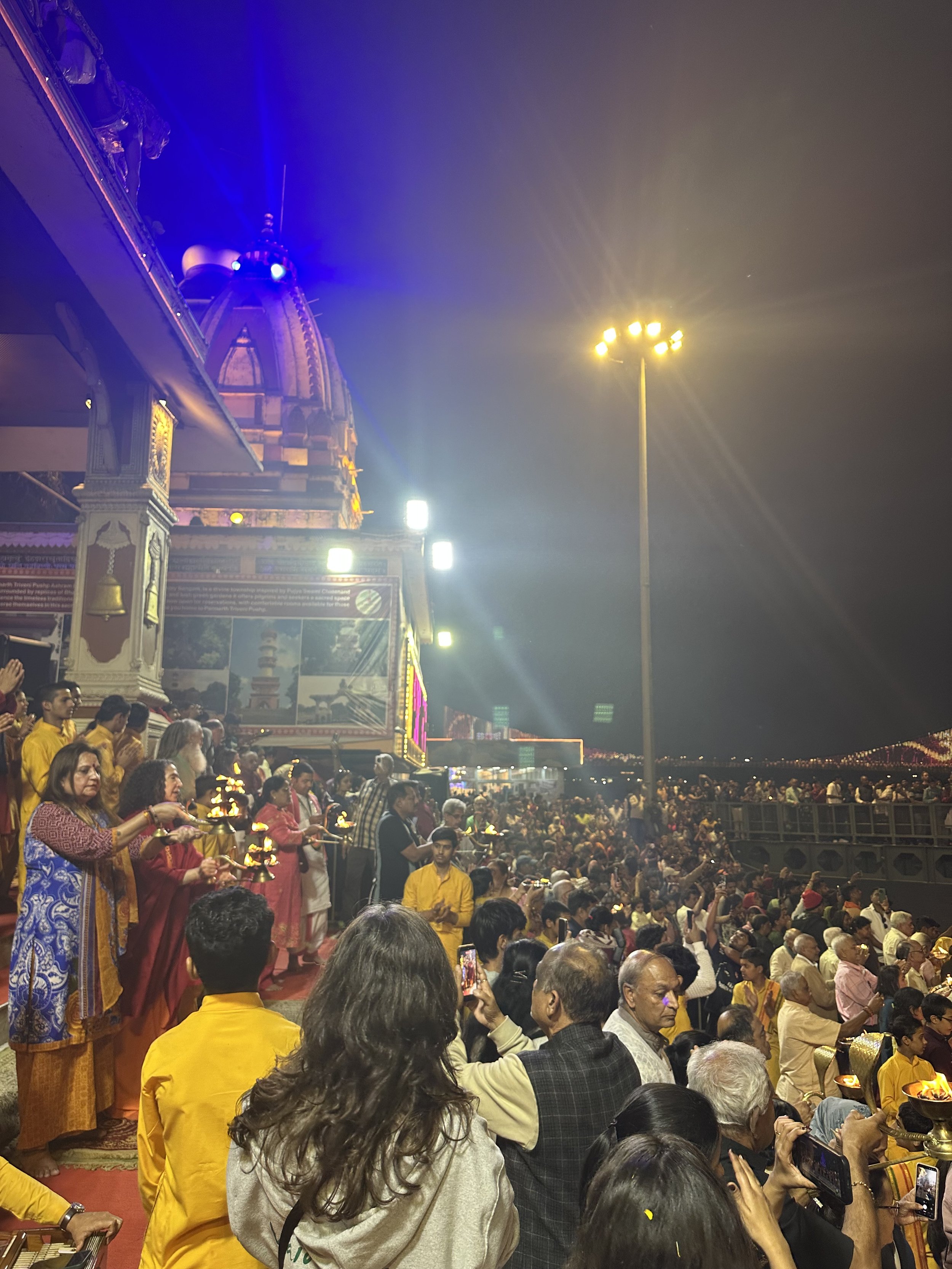
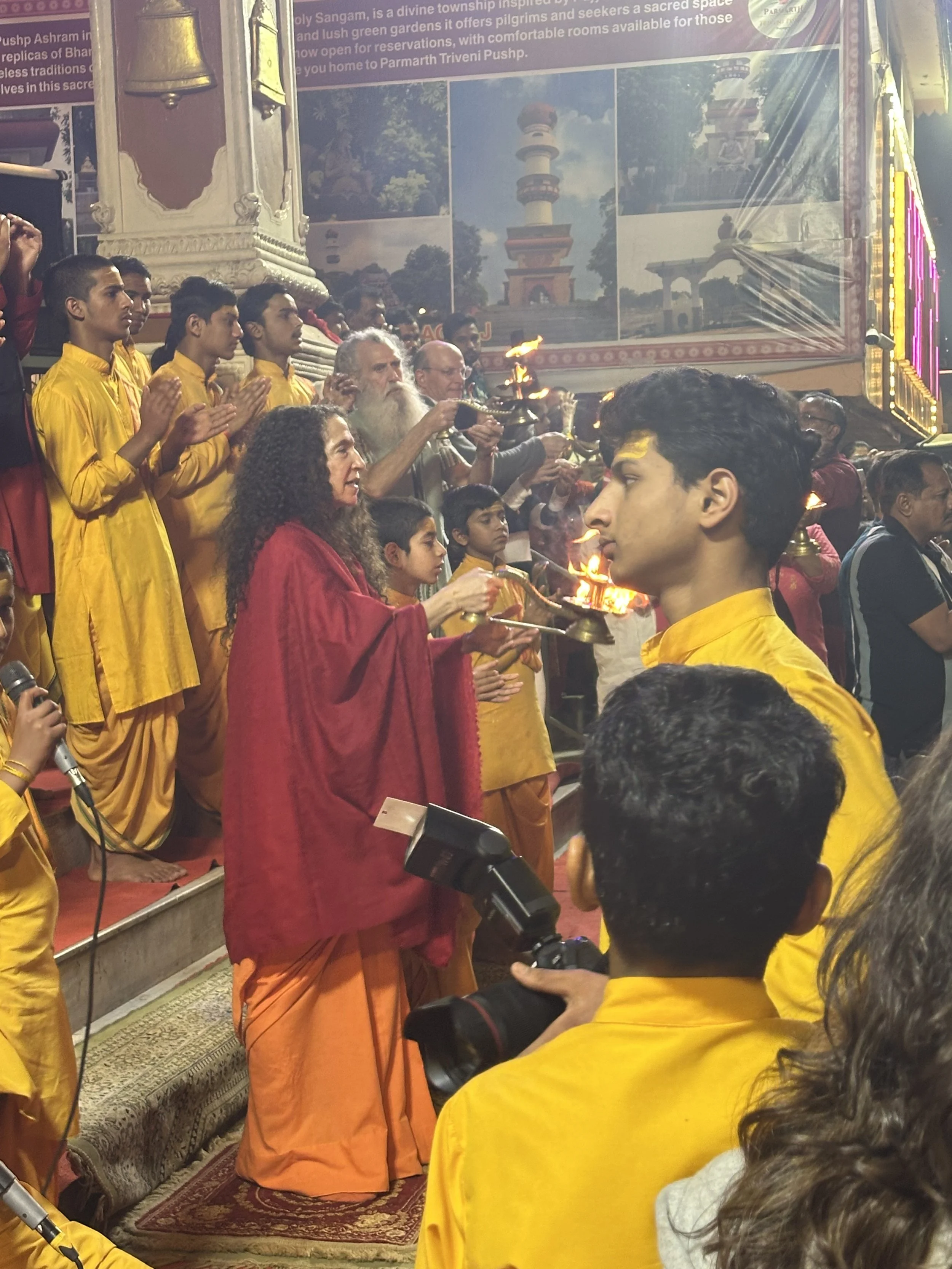
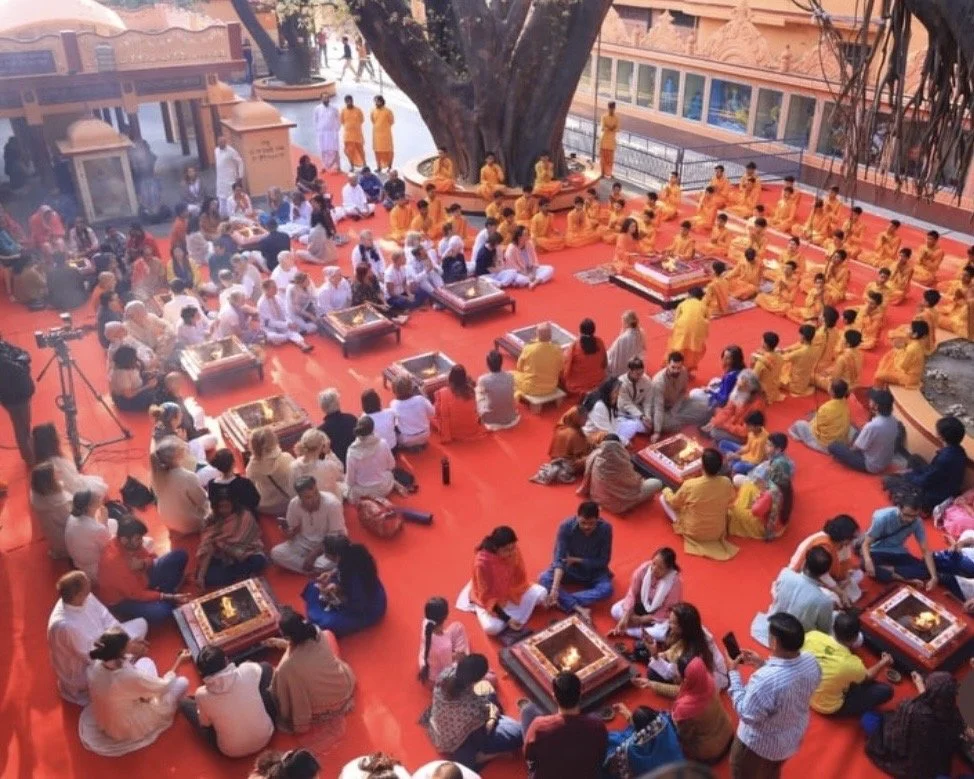
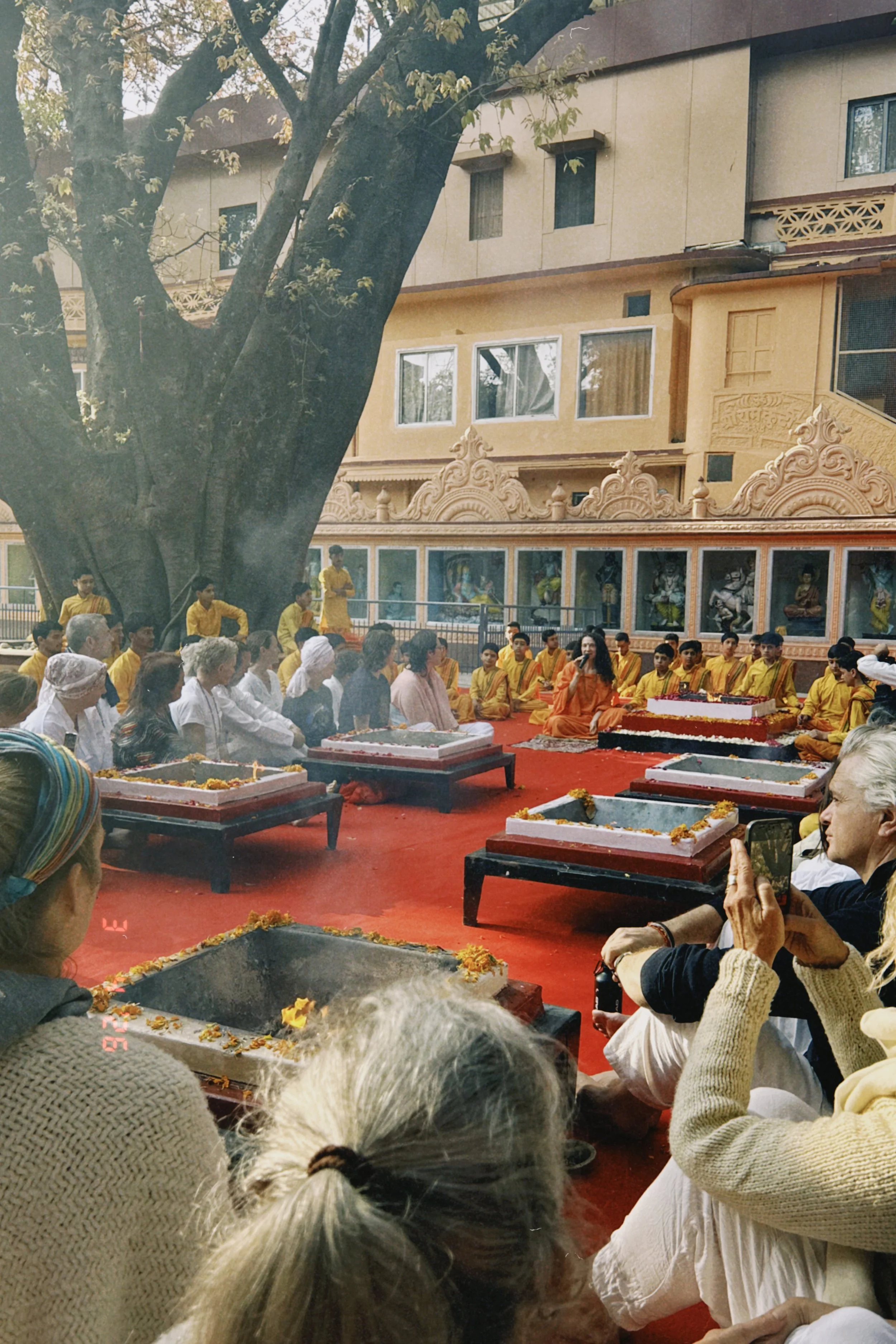
Each morning begins with yajna, the ancient Vedic fire ceremony, led by Sadhvi Bhagawati Saraswati alongside the young Rishi Kumars.
As the sun rises over the Ganges, we gather for prayers, mantras, and offerings to the sacred fire. Ghee, herbs, flowers, grains, and other offerings are placed into the flames, each carrying its own meaning and intention.
There is something beautiful about beginning the day this way.
Before the demands of the outside world have a chance to take hold, there is a moment to become still. To listen to the chanting, the birdsong, and the gentle sounds of the ashram waking up. To sit together in the early morning light and remember that life can be approached with intention rather than simply rushed through.
In the Vedic tradition, yajna represents the reciprocal relationship between ourselves and the world around us. We receive so much from life, from the earth, from other people, and from the natural world. The ceremony reminds us that we, too, have something to offer.
The sacred fire becomes a focus for prayer, gratitude, and transformation. As offerings are placed into the flames, we are invited to reflect on what we might give back, what we might release, and how we might live with greater awareness.
For me, this is one of the most meaningful aspects of spiritual practice. It asks us to move beyond the idea that spirituality is something we do solely for ourselves.
Our practice can become an offering.
An offering of gratitude for what we have received. An offering of compassion towards others. An offering of our time, our attention, and our energy. An offering of the qualities we hope to cultivate in ourselves and bring into the world.
We do not have to live in an ashram or take part in a traditional fire ceremony to carry this principle into our everyday lives.
We can begin the morning with a moment of gratitude. We can pause before reacting. We can make a conscious choice to act with kindness, to listen more carefully, or to give something back to our communities.
The ritual is sacred, but so is the intention behind it.
Watching the flames rise against the backdrop of the Himalayas, I am reminded that every day offers us the opportunity to begin again.
A morning pilgrimage to Bhootnath Temple
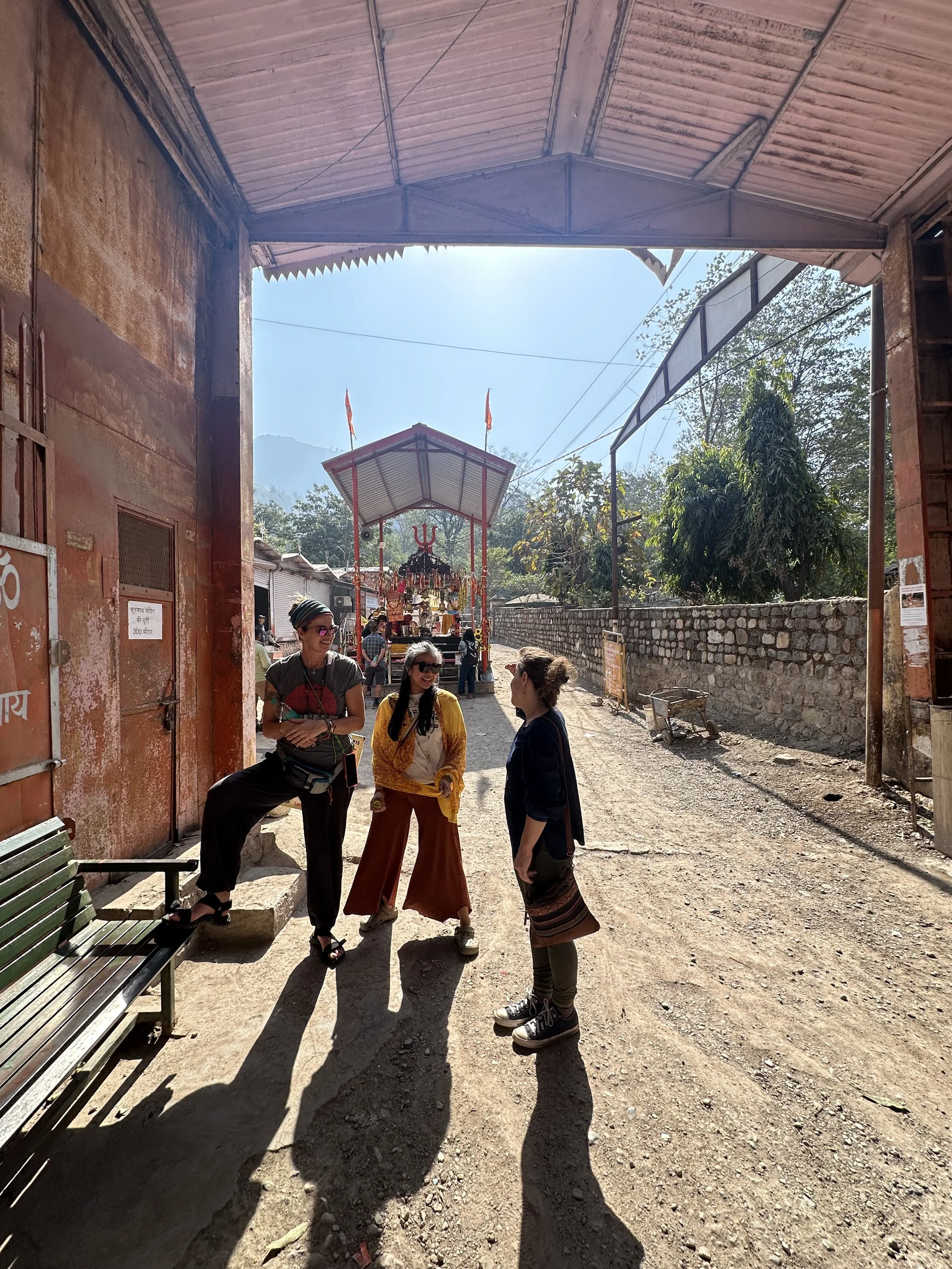
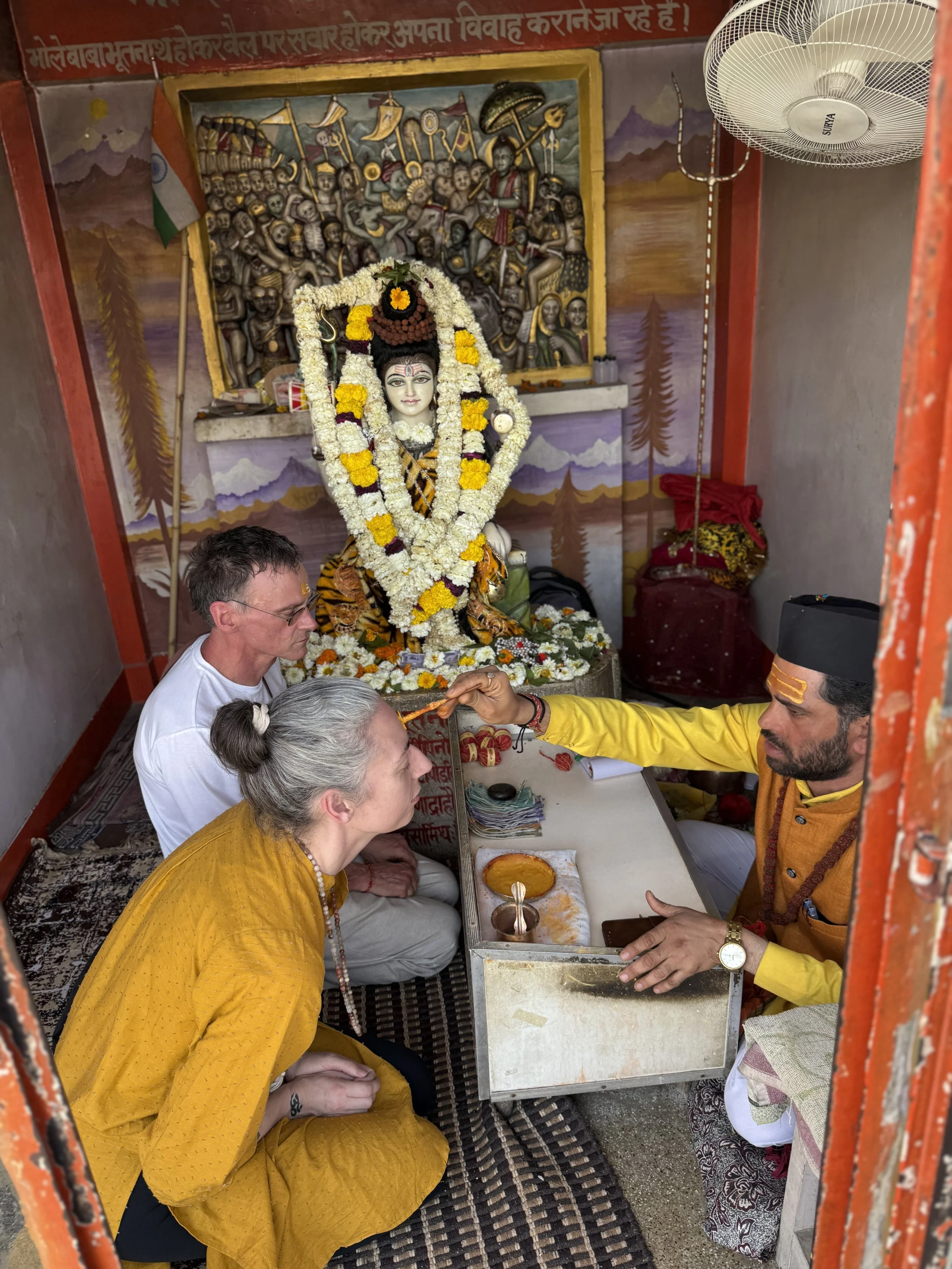
Another morning, I made the pilgrimage to Bhootnath Temple, one of Rishikesh's sacred temples dedicated to Lord Shiva.
As with so many experiences in India, the journey itself is as meaningful as the destination.
At the base of the hill, devotees pause to visit the Shiva lingam, offering water, flowers, and prayers. The lingam is a sacred representation of Shiva, understood in many traditions as pointing towards the formless, infinite nature of divine consciousness.
Pouring water over the stone becomes an expression of devotion and surrender, an opportunity to turn our attention towards something that exists beyond the limitations of our everyday understanding.
From there, the path winds upwards through the different levels of the temple. Each space has its own atmosphere, its own quiet sense of reverence. The climb invites you to slow down, to take each step as it comes, and to become present to the experience rather than rushing towards the destination.
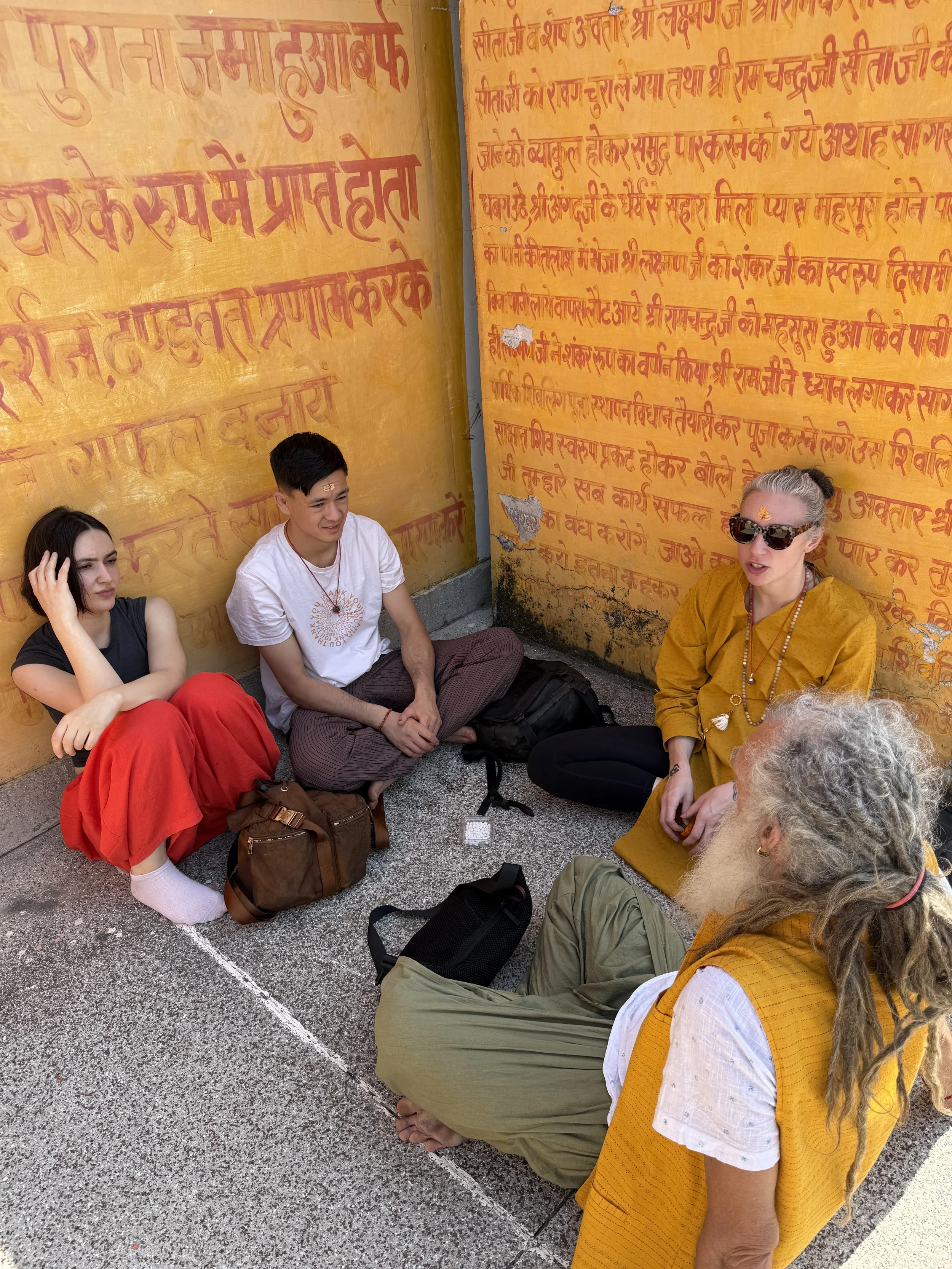
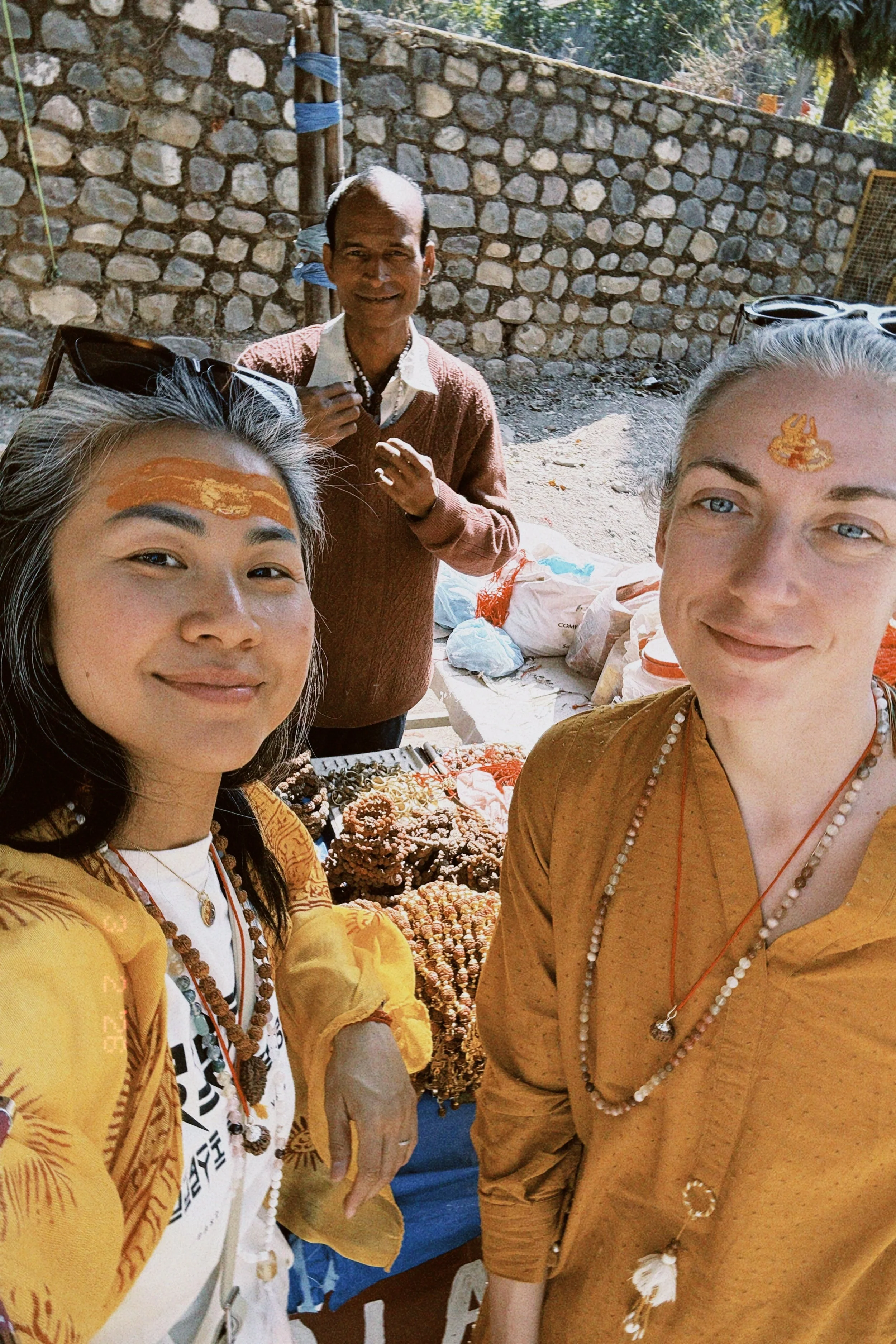
At the upper shrine, we received blessings from the priest, who marked our foreheads with tilak. Often associated with the third eye, this sacred mark can serve as a reminder of inner awareness, discernment, and the wisdom that comes from looking beyond the surface.
I love these small moments of ritual. They give physical expression to ideas that can otherwise remain abstract.
We speak about presence, awareness, devotion, and surrender in yoga, but what does it mean to embody them? How do we move these ideas from something we read or hear into something we actually experience?
Sometimes, it is through the simplest of acts. A prayer. An offering. A moment of silence. A mark on the forehead that reminds us to look inward.
And sometimes, it is through the people we meet along the way.
The stories held in a mala
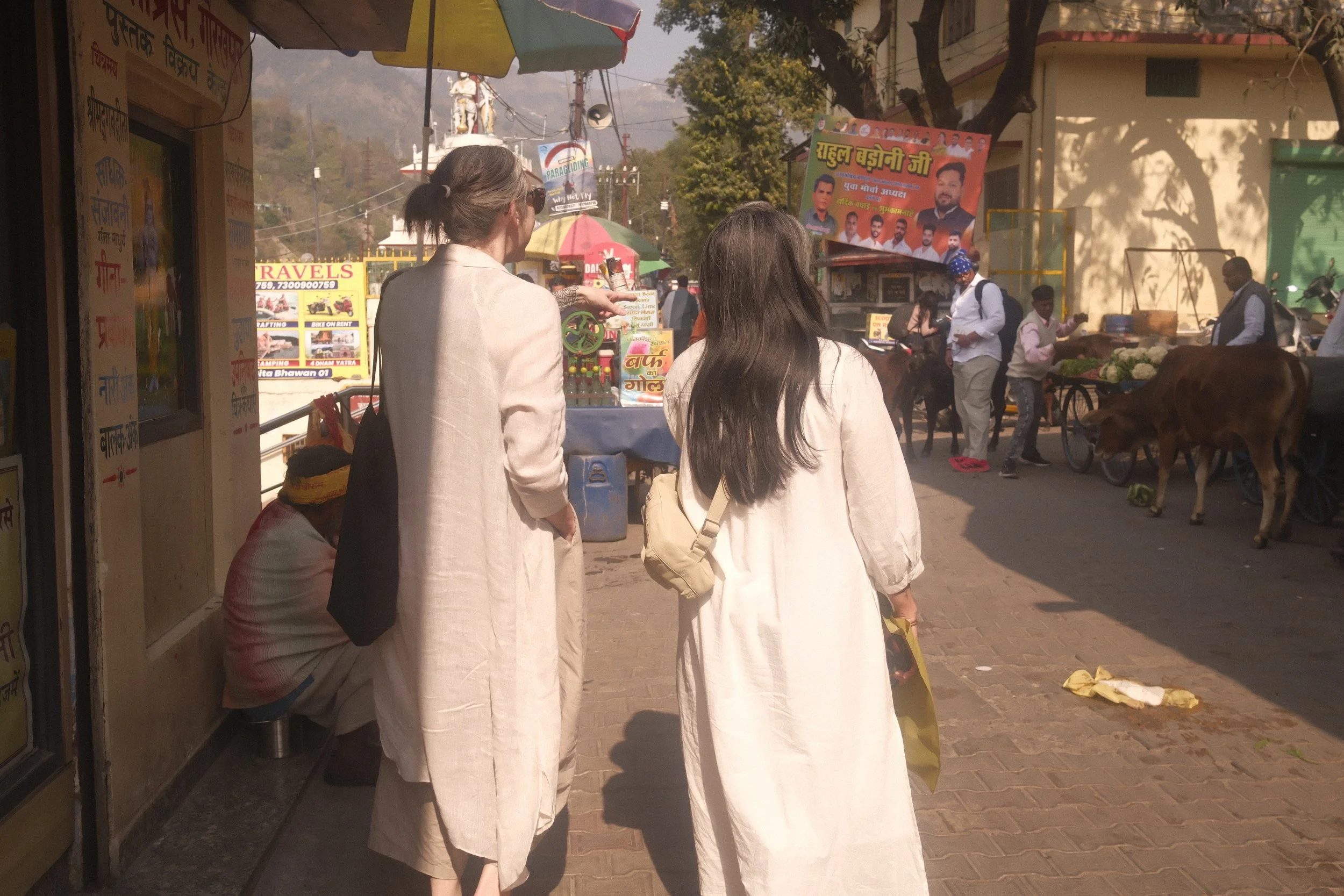
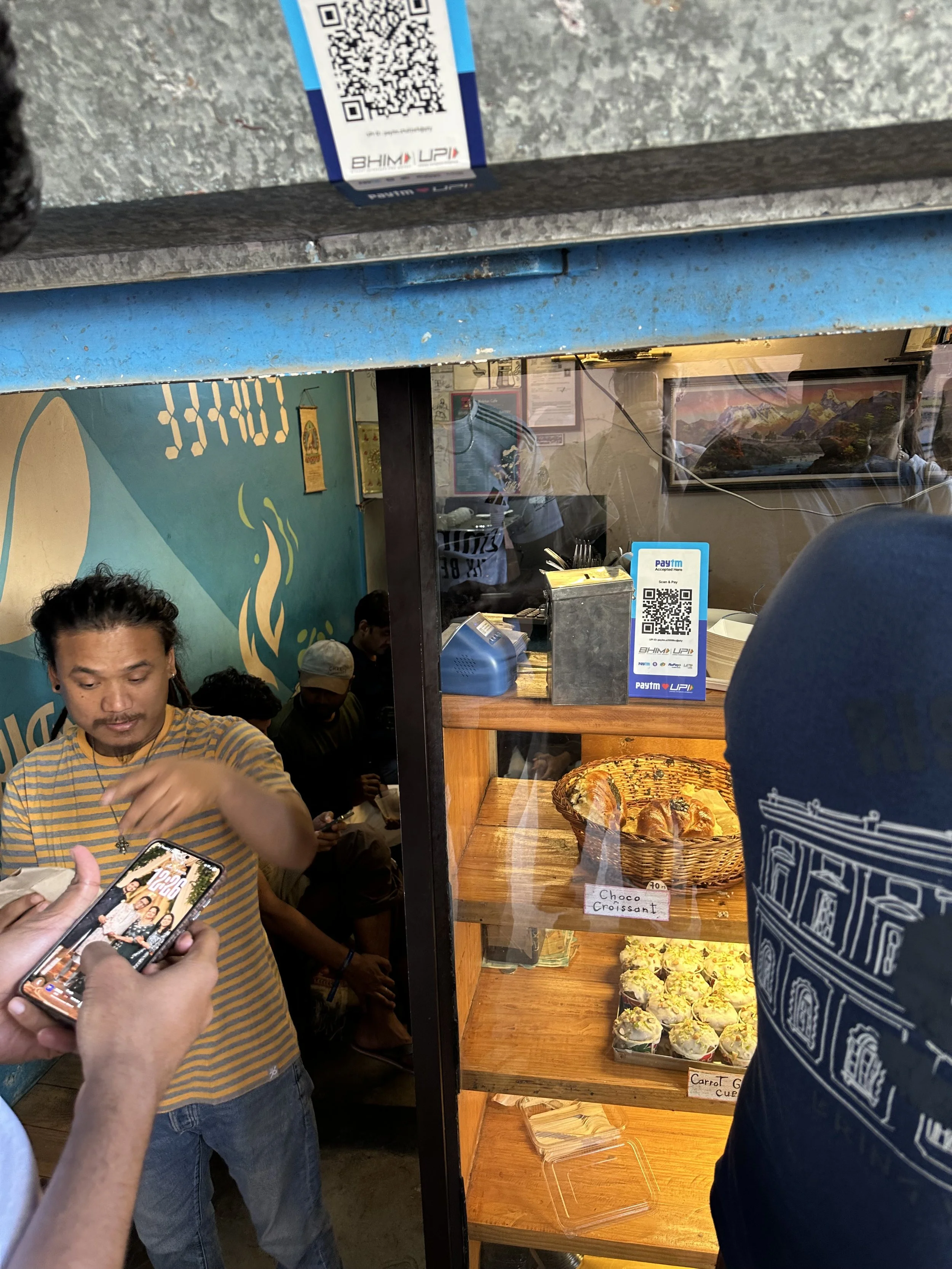
On the way to Bhootnath Temple, you pass colourful stalls selling offerings, flowers, spiritual objects, and malas.
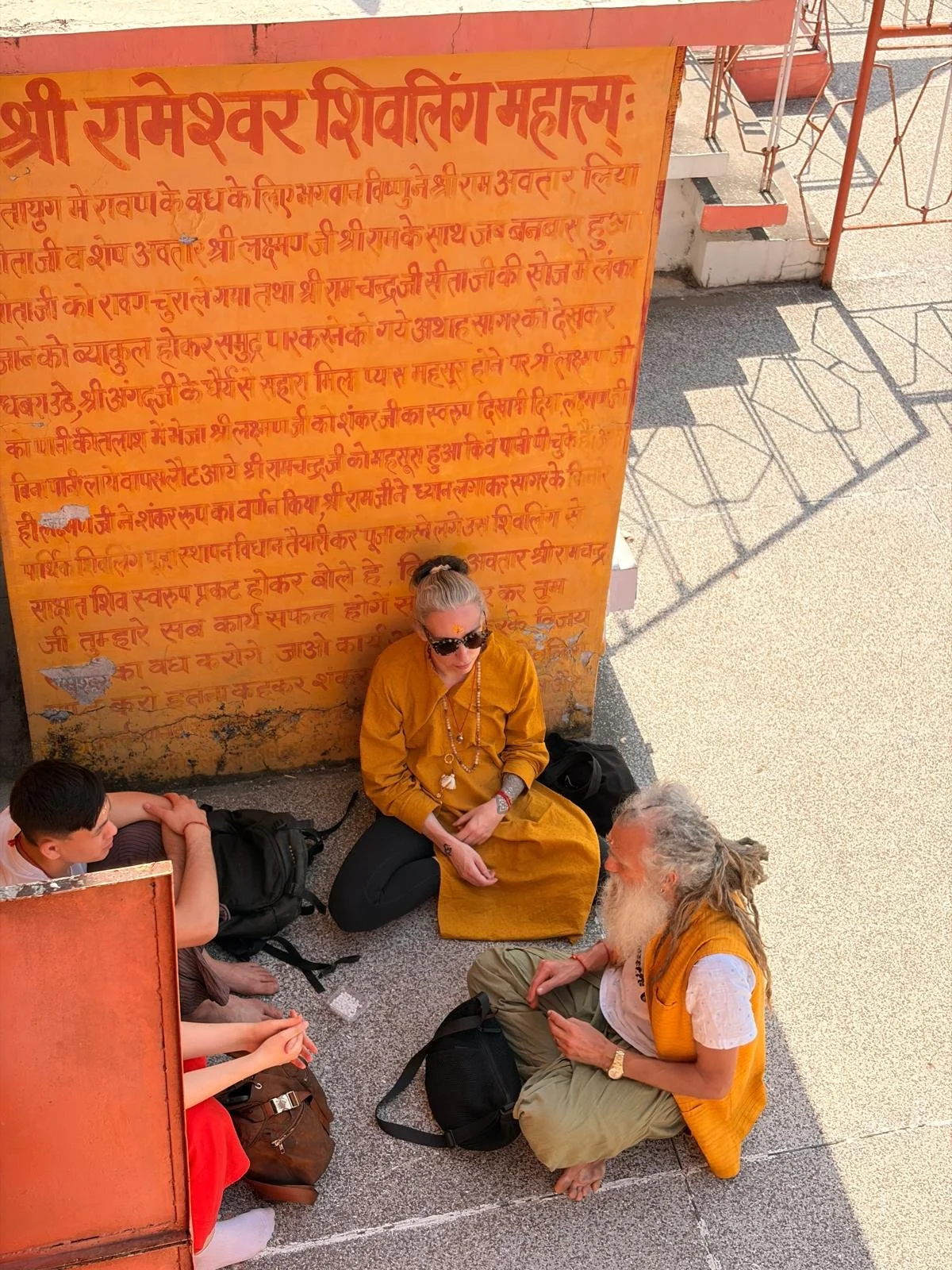
One of my favourite stops is my friend Prem's stall.
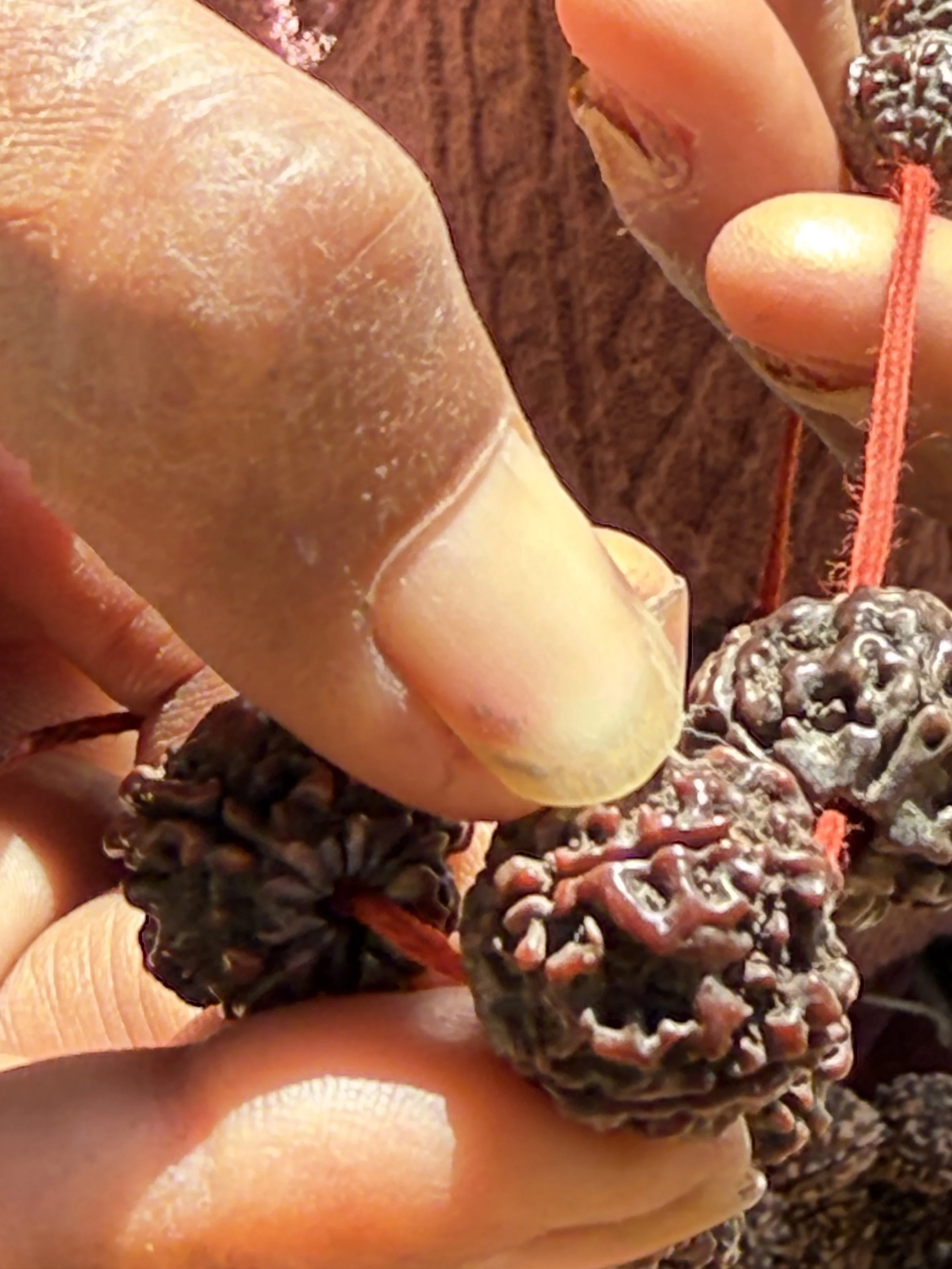
Prem is incredibly kind and generous with both his time and his knowledge. I love listening to him talk about the different malas, the beads they are made from, and the traditions and symbolism associated with them.
A mala is a string of beads traditionally used in meditation and mantra repetition, helping the practitioner keep count while allowing the mind to settle into the rhythm of the practice. A traditional mala often contains 108 beads, although different forms and traditions exist.
Among the most significant beads in Shaiva traditions are rudraksha, which are closely associated with Lord Shiva. The name is often interpreted as referring to the tears of Rudra, an aspect of Shiva. According to traditional belief, different rudraksha beads, distinguished by their natural faces or mukhis, are associated with particular spiritual qualities and forms of divine energy.
Listening to Prem explain these traditions is a reminder that these objects are not simply beautiful things to buy and take home. They carry stories, meanings, and histories that have been passed down through generations.
There is a depth of knowledge held by the people who continue these traditions, often shared not through formal teaching, but through conversation, generosity, and lived experience.
This is one of the things I cherish most about India. The opportunity to learn from people who have spent their lives immersed in traditions that are thousands of years old. The chance to ask questions, to listen, and to appreciate how much there is to understand.
It also reminds me that the spiritual path is not something we ever finish learning.
We can study the scriptures, practise the asanas, learn the mantras, and read the philosophy. But there is always more to discover, and often the most meaningful lessons arrive through the people we encounter along the way.
Prem's kindness is as much a part of my experience of Rishikesh as the temples and rituals themselves. He reminds me that knowledge shared with generosity is a gift, and that connection is at the heart of so much of what makes a place sacred.
Har Har Mahadev.
Bringing the practice home
When we travel to a place like Rishikesh, it can be tempting to think of the experience as something separate from the rest of our lives.
We go away to find peace, to deepen our practice, to reconnect with ourselves, or to experience something beyond the familiar. We immerse ourselves in a different rhythm, surrounded by people and traditions that encourage us to see the world differently.
And then we come home.
The emails return. The responsibilities resume. The familiar routines reappear, and it can be surprisingly difficult to hold on to the sense of connection we experienced while we were away.
But perhaps the purpose of these journeys is not to escape ordinary life. Perhaps it is to help us meet it differently.
The rituals of Rishikesh remind me that a spiritual life is not built solely around extraordinary experiences. It is cultivated through the small, repeated acts that shape how we live.
Through the willingness to pause before the day begins. Through gratitude for what we have been given. Through the courage to acknowledge what we are carrying and the wisdom to recognise when it is time to let something go.
Through the relationships we nurture, the kindness we offer, and the care we take with the world around us.
And through our willingness to keep learning.
This is what I continue to explore through my own yoga practice. The asana is important, of course, but it is only one part of a much wider tradition. Yoga invites us to consider how we live, how we relate to others, how we respond to the challenges we encounter, and how we connect with the deeper dimensions of ourselves.
In Rishikesh, these teachings are not simply ideas to contemplate. They are present in the morning rituals, in the sound of mantras carried across the river, in the devotion of pilgrims, and in the generosity of the people who welcome you into their world.
They are also present in the river itself, moving constantly, never quite the same from one moment to the next.
Perhaps that is one of the greatest lessons Ma Ganga offers us. We cannot stop the current, and we cannot return to the exact place we were before. But we can learn to meet the movement of life with a little more trust.
My time in Rishikesh this spring gave me moments of profound connection, reflection, and gratitude. The morning in the river, the sacred fire at Parmarth Niketan, the pilgrimage to Bhootnath Temple, and the conversations with friends that will stay with me.
Not because they offered me all the answers, but because they reminded me of the importance of continuing to ask the questions.
How can I live with greater awareness? How can I practise surrender without losing my sense of agency? How can I bring more compassion, devotion, and intention into the everyday moments of my life? I do not have all the answers. That is part of the journey.
But I know that when I return to Rishikesh, to the mountains and the sacred waters of Ma Ganga, I am reminded of what matters. And when I leave, I carry a little more of that reminder with me.
Some places stay with you long after you leave them. For me, Rishikesh will always feel a little like coming home.